
Picking a paint color is only half the battle. The finish you choose — flat, eggshell, satin, semi-gloss, or high-gloss — quietly determines how the room feels, how long the paint lasts, and how easy it is to live with. A gorgeous navy wall in matte can look stunning in a library and disastrous above a kitchen stove. Yet most homeowners skip this decision entirely, grab the “recommended” can, and regret it six months later when fingerprints show through or the trim looks dull.
In this beginner’s guide to paint finishes, you’ll learn what every sheen does, where each one belongs, and exactly how to choose paint finish options that match your lifestyle — so every room in your home looks right and holds up.
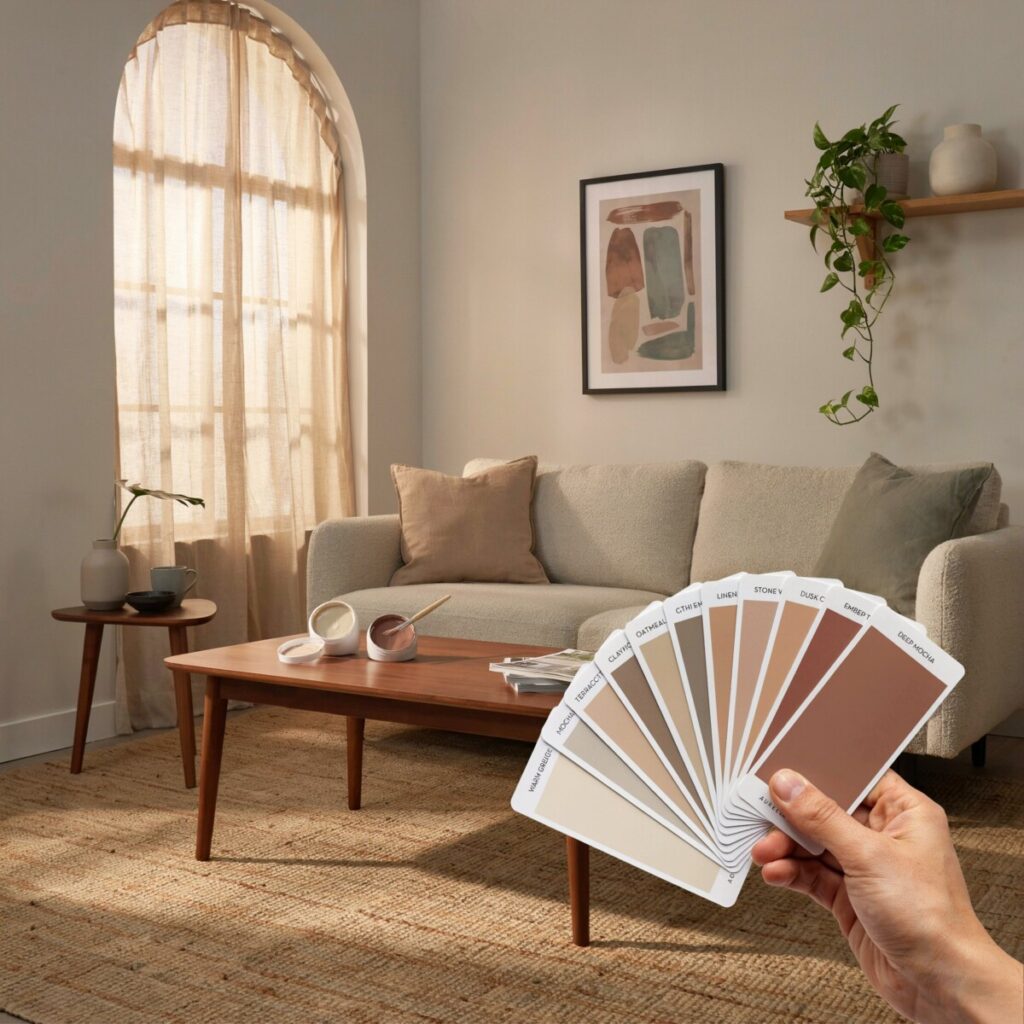
What Is a Paint Finish, Anyway?
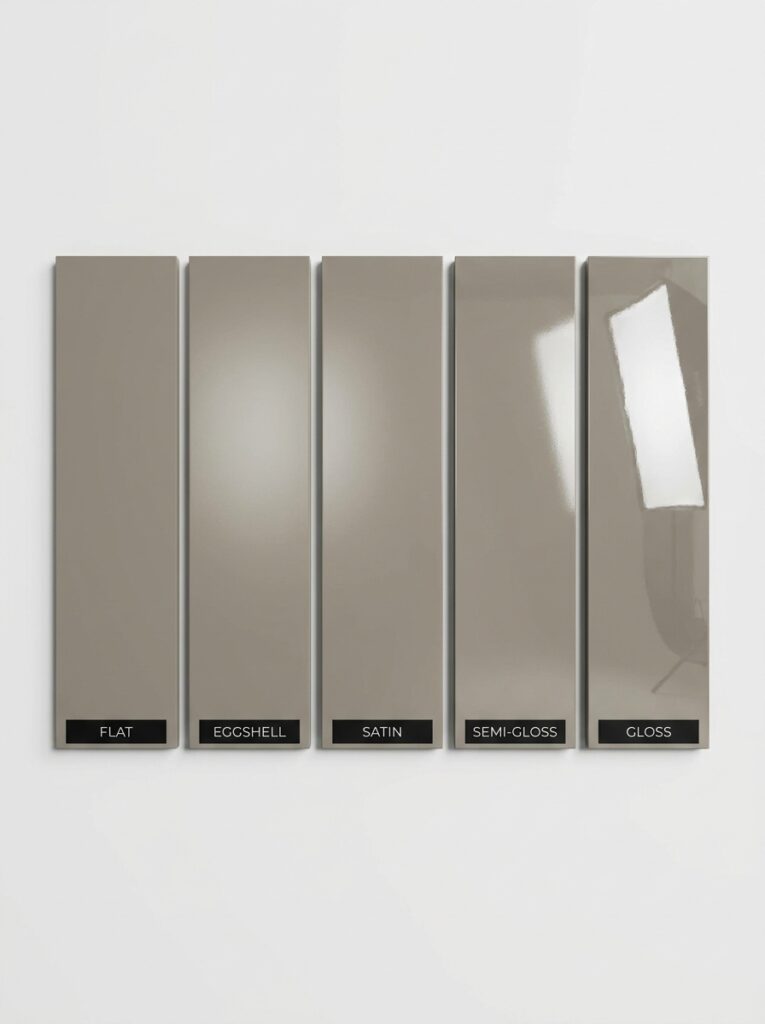
A paint finish (also called a paint sheen) describes how much light the dried paint reflects. Think of it on a spectrum from non-reflective (flat/matte) to mirror-like (high-gloss). The sheen is created by the ratio of pigment to binder (resin) in the paint — more binder, more shine.
Sheen affects four things at once:
- Appearance: Glossy finishes intensify color and highlight texture; flat finishes soften both.
- Durability: Higher sheens resist scuffs, moisture, and stains.
- Washability: You can scrub semi-gloss hard; flat paint may rub off if you try.
- Light reflection: Gloss amplifies every bump, crack, and patch job. Matte hides them.
This is why paint sheen explained simply is: shinier equals tougher but less forgiving, flatter equals softer but more delicate.
Most US paint manufacturers group their products into five main paint finish types: flat (matte), eggshell, satin (sometimes called pearl), semi-gloss, and gloss/high-gloss. We’ll walk through each one next.
Common Paint Finishes Explained
Each sheen has a job. Here’s what you need to know before you head to the paint aisle.
Flat / Matte Finish — The Imperfection Hider
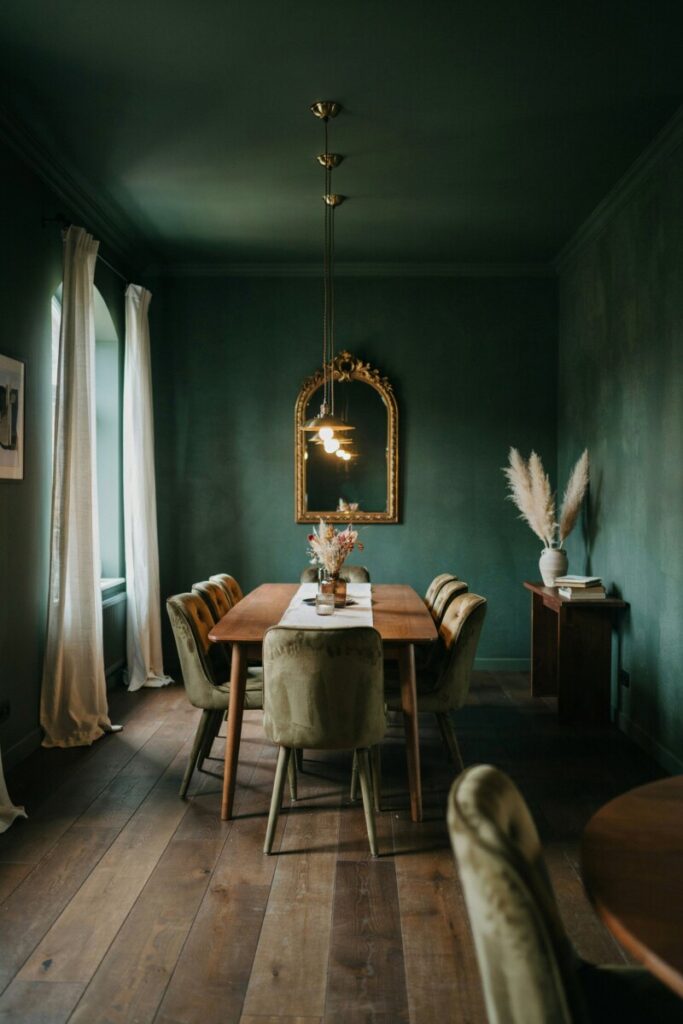
Flat and matte finishes reflect almost no light, giving walls a velvety, non-reflective surface. They absorb color beautifully and are the best paint finish for walls with texture flaws — old plaster, patched drywall, or uneven ceilings.
Best uses: Ceilings, adult bedrooms, formal dining rooms, low-traffic accent walls.
Pros:
- Hides surface flaws better than any other sheen
- Rich, deep color appearance
- Easy to touch up without flash marks
Cons:
- Not washable — scrubbing can burnish or remove paint
- Shows fingerprints, scuffs, and grease
- Poor choice for humid or high-touch areas
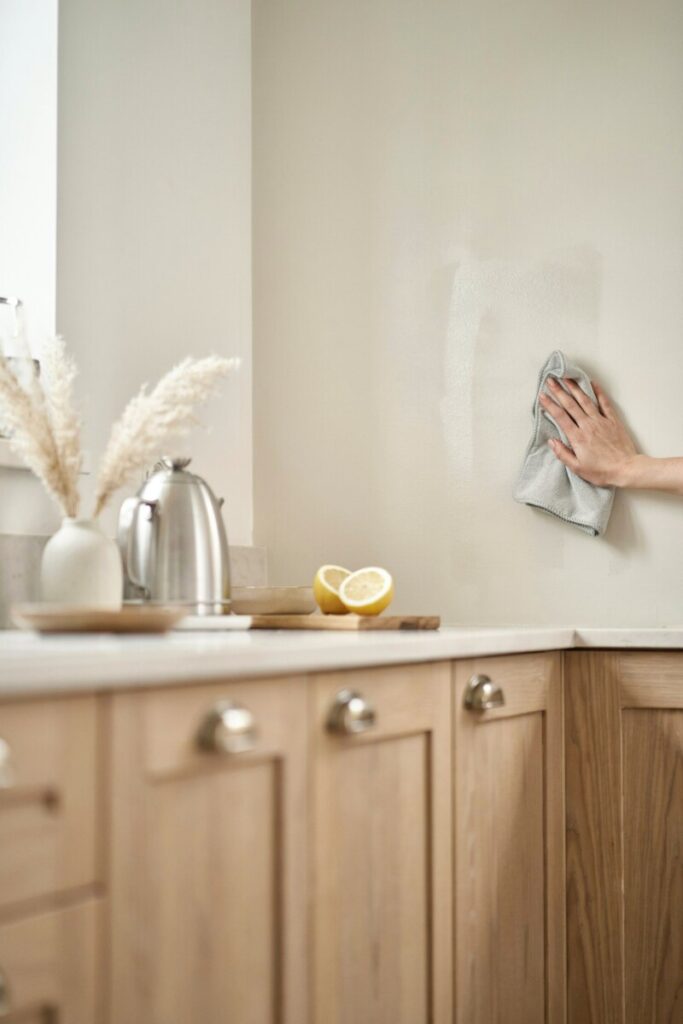
Cleaning tip: Dust gently with a dry microfiber cloth. For stains, dab (don’t rub) with a barely-damp sponge and a drop of dish soap, then blot dry.
Eggshell Finish — The Everyday Compromise
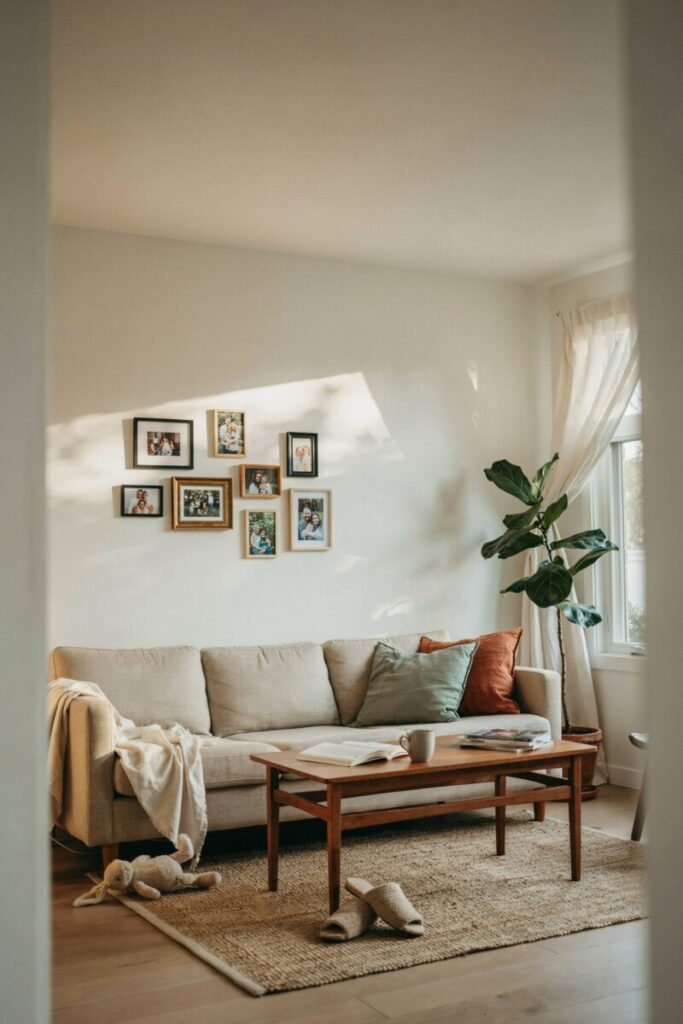
Eggshell has a subtle, soft luster — roughly the sheen of an actual eggshell. It reflects a little light, which adds depth to color without calling attention to every wall blemish. In the flat vs. eggshell debate, eggshell wins for any room where life actually happens.
Best uses: Living rooms, dining rooms, hallways, guest bedrooms, main-floor walls.
Pros:
- Balanced look — not too shiny, not too dull
- More washable than flat; handles occasional wiping
- Works with most décor styles
Cons:
- Shows imperfections more than flat
- Not ideal for heavy moisture (pair it with semi-gloss in bathrooms)
- Touch-ups can be slightly more visible than on flat paint
Satin (Pearl) Finish — The Workhorse
Satin — sometimes labeled “pearl” by certain manufacturers — delivers a soft pearl-like sheen. It’s one of the most versatile paint finish types and a top pick for durable paint for kitchens and family living areas.
Best uses: Kitchens, kids’ rooms, family rooms, hallways, trim in casual spaces, doors.
Pros:
- Highly washable paint surface — handles frequent wiping
- Handles humidity better than eggshell
- Adds gentle glow to color
Cons:
- Shows application flaws (brush strokes, overlaps) more readily
- Touch-ups can flash if not feathered carefully
- On walls with uneven drywall, the sheen amplifies bumps
Semi-Gloss Finish — The Tough Trim Standard
Semi-gloss is noticeably shiny and extremely durable. It’s the classic paint finish for trim, doors, and any surface that takes a beating. In the satin vs. semi-gloss debate, semi-gloss wins on durability but loses on subtlety.
Best uses: Baseboards, crown molding, window and door casings, kitchen and bathroom cabinets, bathroom walls, kids’ furniture.
Pros:
- Stands up to moisture, scrubbing, and fingerprints
- Easy to wipe clean; resists mildew in humid rooms
- Crisp, tailored look on architectural details
Cons:
- Highlights every surface flaw — sanding and priming are non-negotiable
- Can look plasticky on large wall expanses
- Shows lap marks if rolled improperly
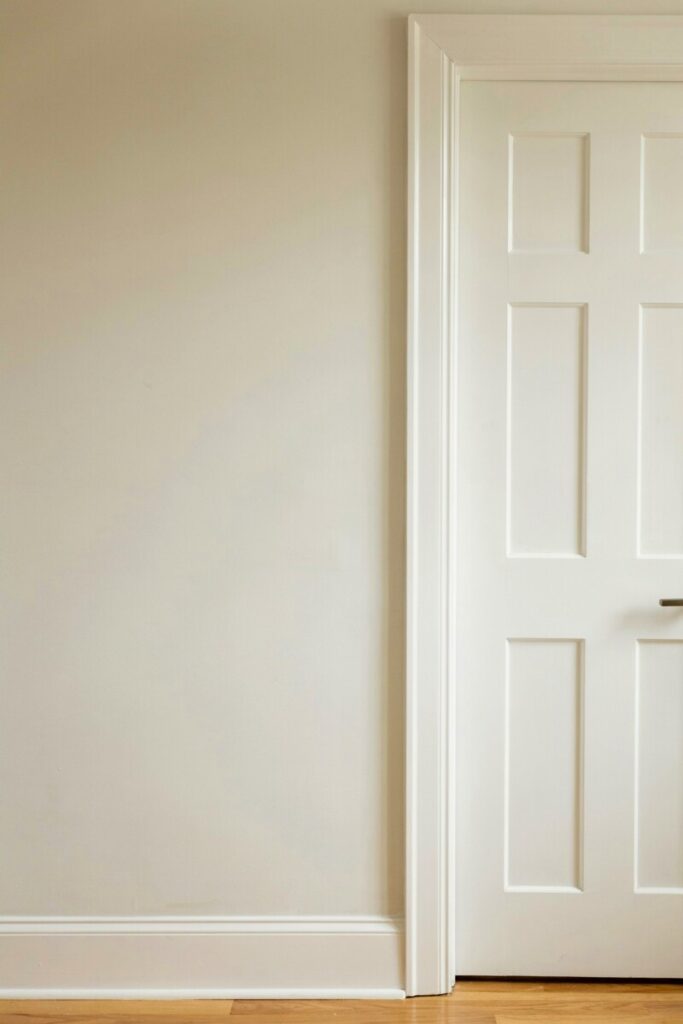
Gloss / High-Gloss Finish — The Statement Maker
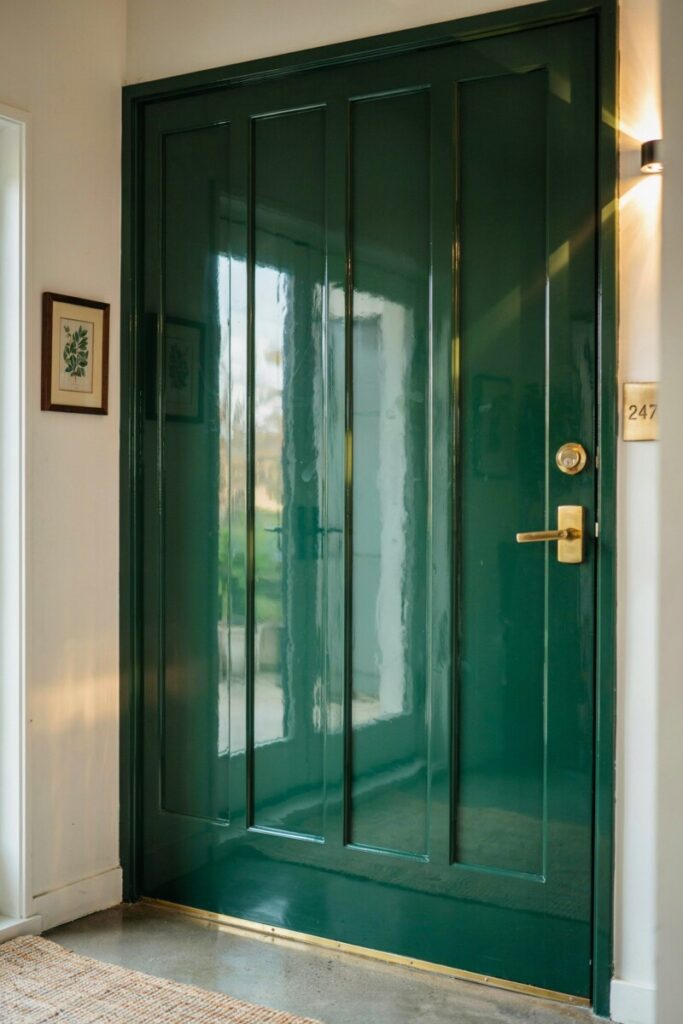
High-gloss paint delivers a lacquer-like shine. It’s dramatic, ultra-durable, and extremely unforgiving of imperfect surfaces. Designers love it for accent pieces; DIYers should approach it with good prep.
Best uses: Front doors, cabinets, furniture, accent trim, built-ins, high-impact architectural details.
Pros:
- Maximum durability and stain resistance
- Stunning on smooth, well-prepped surfaces
- Reflects light beautifully in small or dark spaces
Cons:
- Shows every blemish, brush mark, and dent
- Requires professional-level prep (sanding, filler, primer, multiple coats)
- Not recommended for large wall areas in most homes
A note on specialty finishes: Enamel paints are formulated for a hard, durable film — often sold in satin, semi-gloss, or gloss. Many US brands also offer low-VOC paint finishes, which off-gas fewer fumes and are ideal for nurseries, bedrooms, and occupied homes.
How to Choose the Right Finish, Room by Room
The best way to how to choose paint finish confidently is to think in terms of use, not just style. Here’s a room-by-room breakdown for typical US homes:
| Room / Surface | Recommended Finish | Why |
|---|---|---|
| Bedroom walls | Flat or eggshell | Low traffic; soft light; hides drywall seams |
| Living room | Eggshell or satin | Balanced look; handles occasional wiping |
| Kitchen walls | Satin | Resists grease, steam, and wipedown cleaning |
| Kitchen cabinets | Semi-gloss or gloss | Tough; wipeable; stands up to cooking residue |
| Bathroom walls | Satin or semi-gloss | Handles humidity and condensation |
| Hallway walls | Eggshell or satin | High-touch area needing washability |
| Ceilings | Flat | Hides imperfections; rarely touched |
| Trim, doors, casings | Semi-gloss | Durable; crisp; wipes clean easily |
| Kids’ rooms | Satin | Maximum washability for fingerprints and crayon |
Key considerations before you buy
- Traffic level: High-touch = higher sheen.
- Moisture: Bathrooms, kitchens, and laundry rooms need satin or above.
- Light exposure: Bright, direct light exaggerates sheen; north-facing rooms can handle slightly more gloss.
- Surface condition: Older walls with patches and texture flaws look better in flat or eggshell.
- Maintenance habits: If you wipe walls often, lean satin.
- Color depth + sheen: Dark colors in high gloss can look spectacular; dark colors in flat look rich and moody. Test first.
Quick decision checklist
- [ ] Identify the highest stress factor (moisture, kids, pets, traffic).
- [ ] Inspect the surface — lots of flaws? Drop a sheen level.
- [ ] Pick the lowest sheen that still meets your durability need.
- [ ] Buy a sample pot and paint a 2×2-foot swatch on two different walls.
- [ ] Look at it morning, afternoon, and under lamp light before committing.
Mini case study: A family room that finally worked
A Midwest family of four had painted their open-concept family room in a soft gray flat paint. Within a year, the walls near the couch showed head-oil shadows, the kids’ fingerprints were everywhere near the light switches, and wiping created dull “burnish” marks.
They repainted in a satin finish of the same color. The result: fingerprints wiped off with a damp cloth sheen-matched, the room felt slightly brighter because of the added reflectivity, and touch-ups blended cleanly after six months. Lesson learned — for high-traffic living areas, satin is usually the smarter call than flat.
Practical Tips for Painting and Finishing
Prep matters more with shinier finishes
The glossier the finish, the more unforgiving it is. Before you paint:
- Fill and sand holes, dents, and old nail pops. Use a sanding block (120–150 grit) and feather edges smooth.
- Prime any patched areas — unprimmed patches absorb paint differently and “flash” under satin, semi-gloss, and gloss.
- Clean walls with a TSP substitute or mild detergent, especially in kitchens.
- Wear a dust mask and open windows for ventilation when sanding.
Flat and eggshell forgive minor prep shortcuts; semi-gloss and high-gloss do not.
Application tips
- Walls: Use a ⅜” to ½” nap roller for most interiors. Work in a W or M pattern and keep a wet edge to avoid lap marks.
- Trim and doors: Use an angled sash brush (2–2½”) for control. For flat doors, a small foam roller gives a smoother finish.
- Coats: Plan on two coats minimum. High-gloss often needs three.
- Drying: Don’t rush recoat times — especially with low-VOC paint finishes, which can dry slower and cure softer. Follow the can’s instructions.
Touch-ups and storage
- Store leftover paint in a sealed can or airtight jar, labeled with the room, date, and formula code. Keep it in a climate-controlled space (not a shed).
- Touch up by dabbing with a small artist brush or foam brush. Feather outward. On flat paint it’ll vanish; on satin and above, touch-ups may flash slightly.
Cleaning without damaging the finish
- Flat: Dust only. Spot-clean with a barely-damp sponge — never scrub.
- Eggshell: Wipe gently with a soft cloth and mild soap.
- Satin & semi-gloss: Use a non-abrasive sponge and all-purpose cleaner. Rinse with a clean damp cloth.
- High-gloss: Clean with a microfiber cloth and glass-cleaner-style spray; avoid anything abrasive.
Cost and Product Guidance
Paint prices in the US typically break down like this:
| Tier | Price Range (per gallon) | When to Use |
|---|---|---|
| Budget | $25–$40 | Low-traffic rooms, rentals, ceilings, flip houses |
| Mid-range | $40–$65 | Most interior walls; best value for DIYers |
| Premium | $65–$95+ | High-use rooms, cabinets, showpiece spaces |
Splurge on the rooms you touch every day — kitchens, bathrooms, hallways — where better binders mean better washability and sheen retention. Ceilings and low-traffic guest rooms are fine on mid-range.
Professional-grade lines from manufacturers like Benjamin Moore, Sherwin-Williams, PPG, and Behr Marquee are widely available at big-box stores. Many now include primer-in-one formulas that save a step. For eco-conscious projects, look for labeled low-VOC paint finishes — performance has caught up, and fumes are minimal.
Quick Paint Finish Comparison
| Finish | Best Uses | Durability / Washability | Pros | Cons |
|---|---|---|---|---|
| Flat / Matte | Ceilings, low-traffic walls | Low / dust only | Hides flaws; rich color | Not washable |
| Eggshell | Living rooms, dining, bedrooms | Medium / gentle wiping | Balanced sheen; elegant | Not for high moisture |
| Satin | Kitchens, family rooms, kids’ rooms | High / wipes clean | Versatile; handles humidity | Shows prep flaws |
| Semi-gloss | Trim, doors, bathrooms, cabinets | Very high / scrubbable | Extremely durable | Highlights imperfections |
| High-gloss | Doors, cabinets, accent trim | Maximum / scrub-tough | Stunning finish | Unforgiving prep needed |
This paint finish comparison is a cheat sheet you can clip to your phone before you shop.
Frequently Asked Questions
1. Which finish hides wall imperfections best?
Flat or matte finish. Its non-reflective surface absorbs light and conceals drywall seams, patches, and texture flaws better than any other sheen.
2. Is glossy paint harder to maintain?
It’s easier to clean but harder to apply flawlessly. Glossy surfaces wipe clean fast, but every scratch, dent, and patch shows — so prep work matters far more.
3. Can I use different finishes in the same room?
Absolutely — and you should. A common professional approach: eggshell on walls, semi-gloss on trim and doors, and flat on the ceiling. The contrast adds depth and definition.
4. What’s the best paint finish for kitchen cabinets?
Semi-gloss or high-gloss enamel. Both resist grease, moisture, and frequent cleaning better than satin or eggshell.
5. Do I need primer if I’m using paint-and-primer-in-one?
On previously painted walls in good condition, usually no. On bare drywall, patched areas, or stained surfaces, a dedicated primer still gives the best result.
Final Takeaway
Paint finish is a decision worth slowing down for. Before you buy a single gallon, paint sample swatches of your top finish choices on the actual wall — one in afternoon sun, one under your lamps at night. Let them sit for 48 hours. How they look, feel, and wipe clean will tell you more than any label ever could.
Ready to take the next step? Grab a few sample pots, sketch out your room-by-room plan, and check out our related guides: “How to Paint Trim Like a Pro” and “Best Eco-Friendly Paints for Every Room.” Your walls — and your future self doing the touch-ups — will thank you.